Why Packaging Is One of the Most Underrated Parts of Sterilization

Packaging is often treated as a small step in sterilization, but it plays a major role in inspection, organization, labeling, sealing, and workflow confidence. This blog explains why packaging deserves more attention in every reprocessing room.
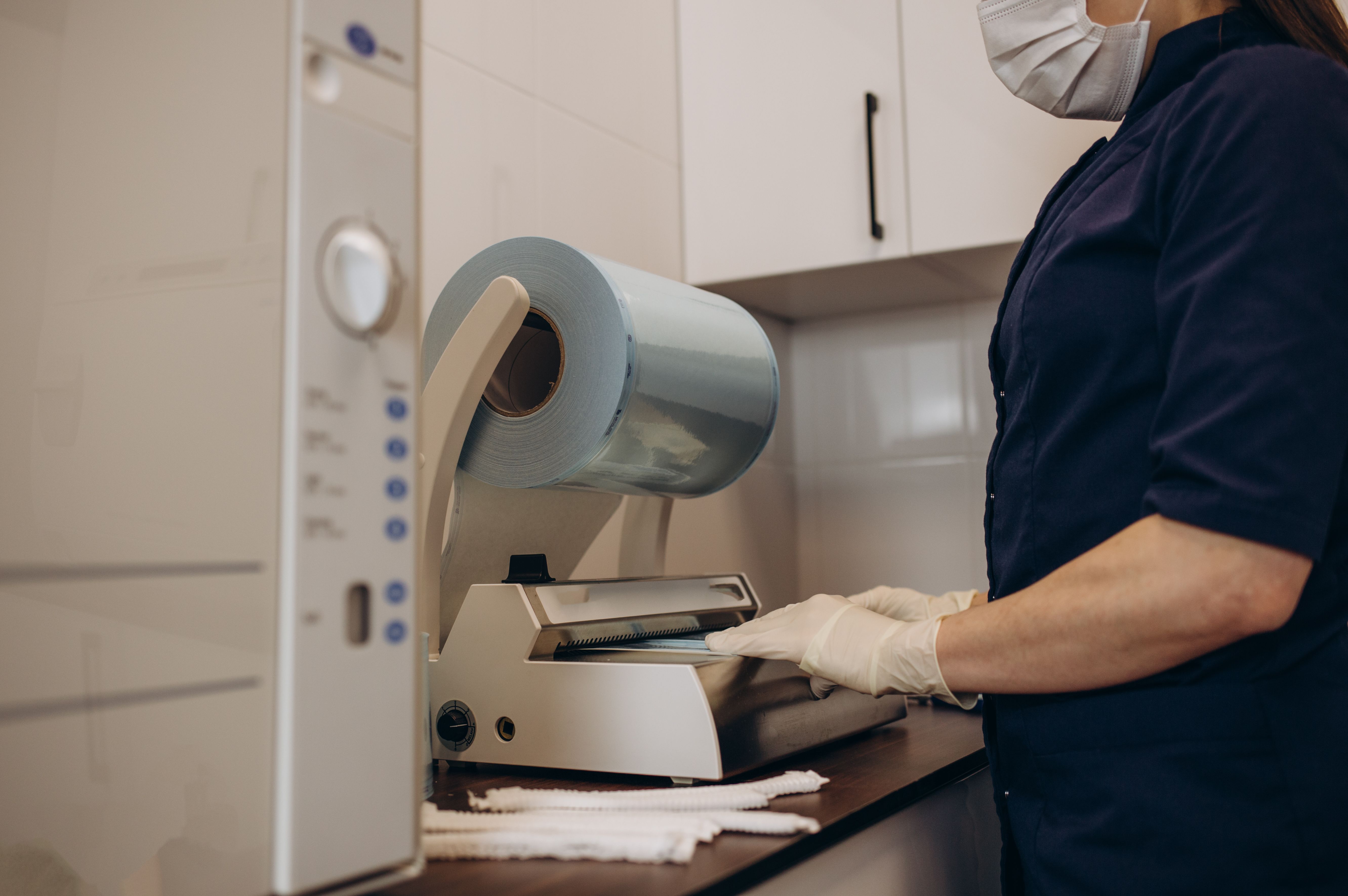
Why Packaging Is One of the Most Underrated Parts of Sterilization
In many practices, packaging gets treated like a small step between cleaning and sterilization. Something quick. Something routine. Something secondary to the “real” work happening in the sterilizer.
That is a mistake.
Packaging is not just a technical requirement. It is one of the most important control points in the entire reprocessing chain. It is the stage where the room confirms that instruments are clean, dry, complete, correctly grouped, and ready to move forward with confidence.
Why Packaging Affects More Than People Expect
When packaging is weak, the effects do not stay at the packaging station. They spread.
Poor packaging can create:
- slower load preparation
- inconsistent pouch quality
- labeling confusion
- harder staging before the cycle
- lower confidence after the cycle
- more rework and second-guessing
This is why packaging is much more than a prep task. It influences the reliability of everything that follows.
Packaging Is Where Quality Control Becomes Visible
A well-run packaging stage gives staff a chance to confirm that the instruments moving into the sterilizer are truly ready. That is where missing components, poor grouping, damp instruments, or poor organization can be caught early.
Without that layer of discipline, the sterilizer becomes a place where upstream mistakes are hidden rather than corrected.
Why the Packaging Station Deserves Serious Planning
In many rooms, the packaging stage is underbuilt. There is not enough room to inspect instruments clearly. The sealer sits in an awkward location. Labels are handled inconsistently. Staff move back and forth too much between surfaces.
The result is not always dramatic failure. More often, it is low-level workflow friction that becomes normal over time.
Good packaging setup should support:
- easy inspection
- logical grouping
- efficient sealing
- clear labeling
- smooth transfer to staging or loading
That requires more intentionality than many facilities give it.
The Role of Sealing Equipment
A pouch sealer is not just a device that closes pouches. It is part of the quality and speed of the packaging stage.
If the sealer is awkward, inconsistent, or poorly placed, packaging becomes slower and less repeatable.
That means the machine itself can either strengthen the workflow or quietly weaken it.
Why Packaging Deserves More Respect
The sterilizer often gets the attention because it is the most obvious machine in the process. But a sterilizer can only work with what reaches it. If packaging is disorganized, rushed, or inconsistent, the chamber is receiving a weaker input.
That is why strong rooms usually treat packaging with more seriousness. They understand that one of the best ways to improve sterilization quality is to improve the discipline of the stage immediately before sterilization begins.
Final Thoughts
Packaging is underrated because it does not feel dramatic. But in reality, it is one of the places where workflow confidence is either built or weakened.
A strong packaging process makes everything downstream easier to trust. A weak one makes everything feel more fragile than it should.


Latest Insights & Resources
Stay informed with expert tips, industry news, and best practices for sterilization
Learn why water quality is critical to sterilizer performance, reliability, and maintenance. Discover how proper water support helps protect your investment over the long term.
Packaging mistakes can affect efficiency, consistency, and confidence throughout the sterilization process. Learn why packaging deserves more attention in modern reprocessing workflows.
Compare steam sterilization and dry heat sterilization from a workflow perspective. Learn why steam sterilizers remain the preferred choice for most modern healthcare practices.
Popular Articles
Take Infection Control to the Next Level
Join leading healthcare providers who trust Sterolux to deliver safer, faster, and smarter sterilization.