What High-Performing Reprocessing Rooms Usually Have in Common

High-performing reprocessing rooms are not just well-equipped. They are well-organized, standardized, easy to train into, and built around equipment that matches the real workflow. This blog explains the common traits of strong sterilization rooms.
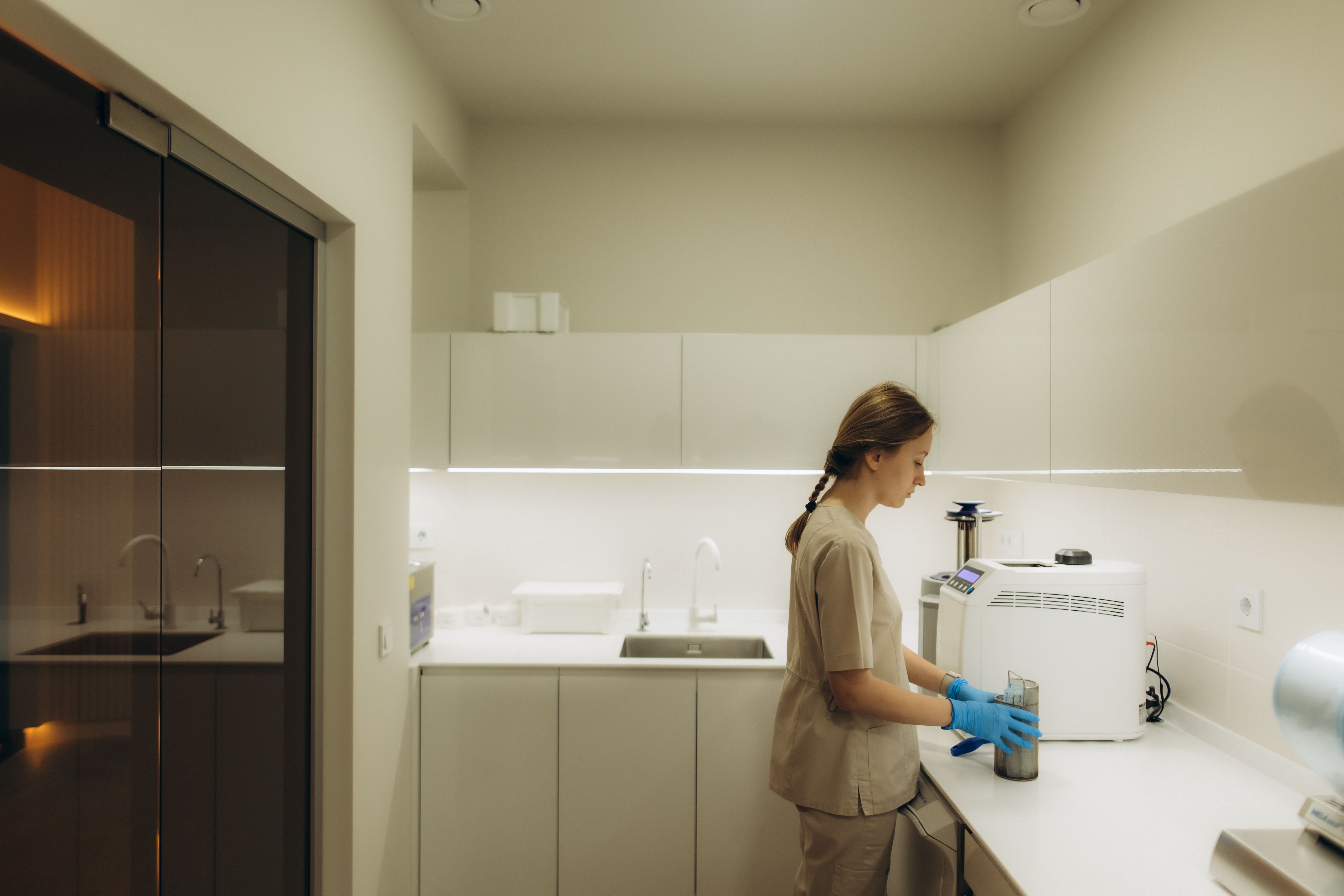
What High-Performing Reprocessing Rooms Usually Have in Common
Some sterilization rooms just work better. They feel calmer, cleaner, and easier to trust. The team does not seem to be fighting the room. Instruments move more smoothly. Packaging feels more organized. The room carries less tension.
That kind of performance is not luck. High-performing reprocessing rooms tend to share the same core characteristics.
Clear Flow
The best rooms usually have very clear direction. Dirty-to-clean movement is obvious. There is less ambiguity about where instruments go next or how they should move through the space.
This reduces the number of small decisions staff have to make under pressure.
Clarity is one of the biggest sources of speed.
Equipment That Matches Reality
High-performing rooms tend to use equipment that fits the real pace of the facility.
The cleaner is not too small. The sealer is not too awkward. The sterilizer is not under constant strain. The machines make sense together.
That sounds obvious, but many rooms are built from separate buying decisions made at different times, which means the equipment chain is often mismatched.
A strong setup may include properly sized ultrasonic cleaners, reliable pouch sealers, and steam sterilizers that support the actual pace of the room.
Strong Standardization
Well-run rooms usually standardize more.
Instrument grouping, packaging, labeling, maintenance, and daily habits are more repeatable. That consistency reduces errors and lowers the cognitive load on the team.
It also makes the room easier to train into and easier to scale.
Ownership
Strong rooms usually have better ownership.
That does not always mean one person does everything. It means accountability exists. Maintenance gets handled. Packaging standards stay visible. Small issues get corrected before they become routine.
When ownership is missing, small problems become normal. When ownership is clear, the room stays easier to trust.
Respect for the Middle Stages
High-performing rooms do not obsess only over the sterilizer. They pay close attention to what happens before the load enters the chamber: cleaning, drying, inspection, and packaging.
They understand that the quality of the final output depends heavily on those earlier stages.
That is why cleaning and packaging equipment should never be treated as secondary. They are part of the same system.
Final Thoughts
The best reprocessing rooms are not just well-equipped. They are well-composed.
Their equipment, layout, standards, and habits support each other. That is what makes them feel so much easier to run.
To build a stronger reprocessing workflow, explore our steam sterilizers, ultrasonic cleaners, and pouch sealers.


Latest Insights & Resources
Stay informed with expert tips, industry news, and best practices for sterilization
Learn why water quality is critical to sterilizer performance, reliability, and maintenance. Discover how proper water support helps protect your investment over the long term.
Packaging mistakes can affect efficiency, consistency, and confidence throughout the sterilization process. Learn why packaging deserves more attention in modern reprocessing workflows.
Compare steam sterilization and dry heat sterilization from a workflow perspective. Learn why steam sterilizers remain the preferred choice for most modern healthcare practices.
Popular Articles
Take Infection Control to the Next Level
Join leading healthcare providers who trust Sterolux to deliver safer, faster, and smarter sterilization.