Best Questions to Ask Before Buying a Dental Suction Unit

Choosing a dental suction unit involves more than comparing technical specs. This article explains how clinical volume, maintenance requirements, hygiene standards, and physical workspace all impact long-term performance and usability.
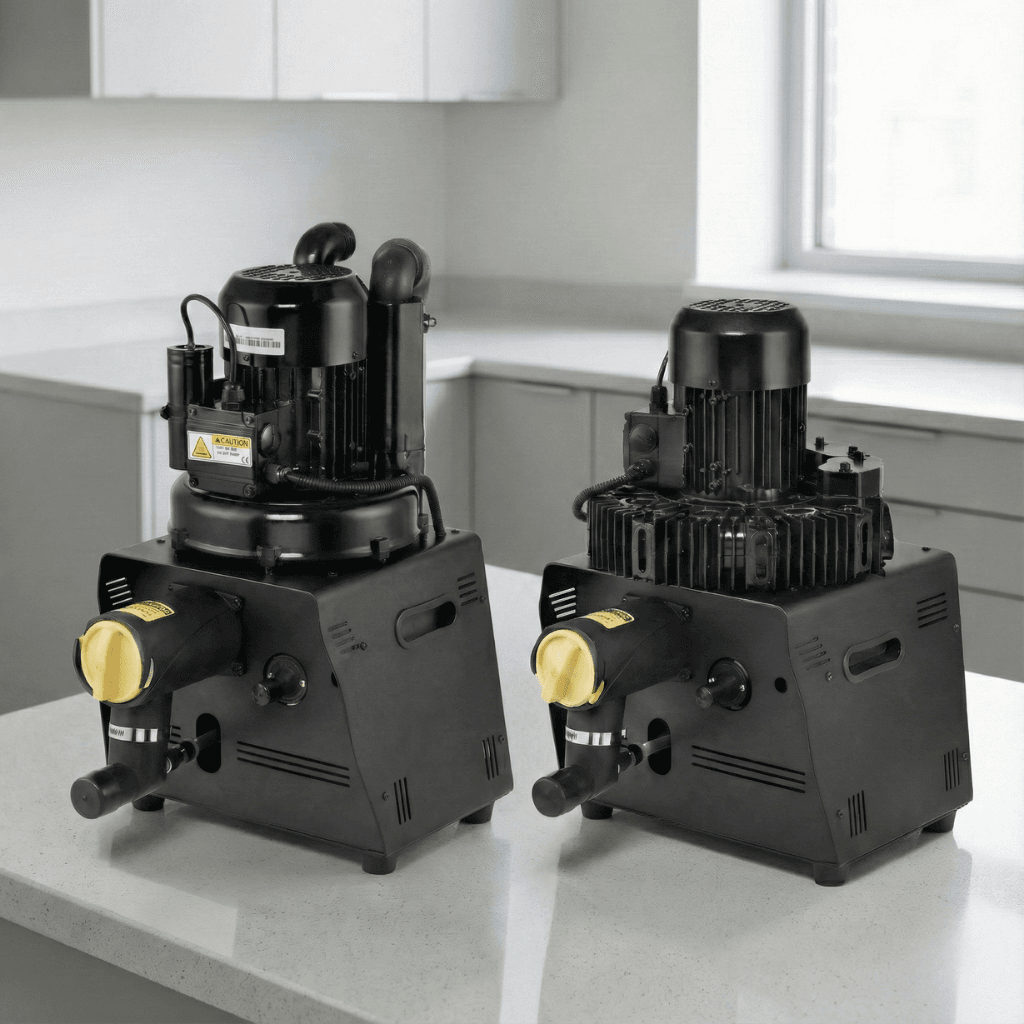
Best Questions to Ask Before Buying a Dental Suction Unit
Dental suction equipment often gets purchased with a narrow mindset. Buyers look at basic output, compare a few technical details, and assume the decision is mostly mechanical.
That leaves out the real-world factors that actually determine whether the unit will feel like a good decision six months later.
1. Does It Match Your Clinical Volume?
A system that feels fine in a slower environment can quickly become frustrating in a busier practice.
Suction is part of:
- appointment flow
- setup and cleanup
- chairside efficiency
If the volume fit is wrong, problems show up fast.
2. How Easy Is It to Maintain?
You are not just buying equipment. You are inheriting a maintenance routine.
If the unit is hard to:
- clean
- inspect
- service
it creates long-term friction.
3. Does It Support Hygiene Standards?
Suction is part of the clinical environment, not just a convenience.
A strong unit should support clean, consistent daily use without extra effort.
4. Does It Fit Your Physical Space?
Consider:
- noise
- footprint
- tubing management
- service access
Some units look good on paper but disrupt the room in practice.
5. Does the Supplier Understand the Full System?
Suction does not exist in isolation.
Clinics also deal with:
- sterilization
- packaging
- water systems
- maintenance
Suppliers that understand the full workflow provide better long-term value.
Final Takeaway
The best suction unit is not the one with the strongest specs. It is the one that fits your real environment and daily workflow. Dental suction equipment often gets purchased with a narrow mindset. Buyers look at basic output, compare a few technical details, and assume the decision is mostly mechanical.
That leaves out the real-world factors that actually determine whether the unit will feel like a good decision six months later.
1. Does It Match Your Clinical Volume?
A system that feels fine in a slower environment can quickly become frustrating in a busier practice.
Suction is part of:
- appointment flow
- setup and cleanup
- chairside efficiency
If the volume fit is wrong, problems show up fast.
2. How Easy Is It to Maintain?
You are not just buying equipment. You are inheriting a maintenance routine.
If the unit is hard to:
- clean
- inspect
- service
it creates long-term friction.
3. Does It Support Hygiene Standards?
Suction is part of the clinical environment, not just a convenience.
A strong unit should support clean, consistent daily use without extra effort.
4. Does It Fit Your Physical Space?
Consider:
- noise
- footprint
- tubing management
- service access
Some units look good on paper but disrupt the room in practice.
5. Does the Supplier Understand the Full System?
Suction does not exist in isolation.
Clinics also deal with:
- sterilization
- packaging
- water systems
- maintenance
Suppliers that understand the full workflow provide better long-term value.
Final Takeaway
The best suction unit is not the one with the strongest specs. It is the one that fits your real environment and daily workflow.


Latest Insights & Resources
Stay informed with expert tips, industry news, and best practices for sterilization
Learn why water quality is critical to sterilizer performance, reliability, and maintenance. Discover how proper water support helps protect your investment over the long term.
Packaging mistakes can affect efficiency, consistency, and confidence throughout the sterilization process. Learn why packaging deserves more attention in modern reprocessing workflows.
Compare steam sterilization and dry heat sterilization from a workflow perspective. Learn why steam sterilizers remain the preferred choice for most modern healthcare practices.
Popular Articles
Take Infection Control to the Next Level
Join leading healthcare providers who trust Sterolux to deliver safer, faster, and smarter sterilization.